Chicago Construction News staff writer
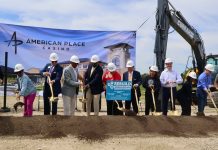
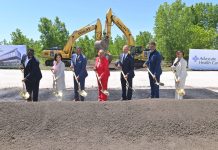
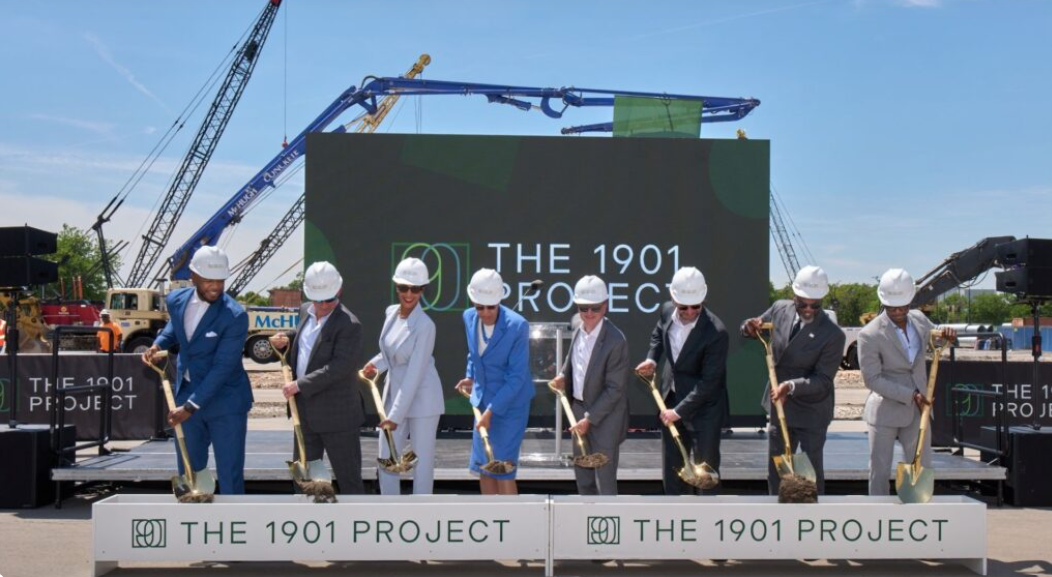
Ground was broken Wednesday on the $7 billion 1901 Project, a sweeping redevelopment around the United Center that will convert more than 55 acres of vacant surface parking lots on Chicago’s West Side into a mixed-use district featuring housing, retail, entertainment and public space.
Developers estimate the project will create about 32,000 construction jobs and 7,000 permanent positions, while generating roughly $104 million in stabilized annual tax revenue once fully built out.
The privately funded project surrounds the United Center and is named for its Madison Street address. Approved by the Chicago City Council last spring, it is being described by developers as the largest investment in West Side history.
The development will include a 6,000-seat music hall, restaurants, retail space, hotels, residential units and new open space. Officials say it is designed to replace large parking areas with a walkable, year-round neighborhood destination anchored by the arena.
Chicago Mayor Brandon Johnson said the project reflects long-standing commitments to reinvest in surrounding communities and expand economic opportunity on the West Side.
Cook County Board President Toni Preckwinkle said the effort represents more than construction, calling it a broader investment in residents, neighborhoods and long-term growth.
Former Chicago Bulls player Derrick Rose is expected to be involved in workforce development and housing components of the project.
As for construction leadership, no general contractor or lead contractor firms have been publicly announced for the project’s phases. Developers have indicated the work will proceed in stages, and industry practice for large-scale developments of this kind often involves selecting contractors incrementally as each phase moves from planning into construction.
Officials said the project will be built with union labor, must meet or exceed minority- and women-owned business enterprise participation requirements, and will include local hiring initiatives aimed at West Side residents, many of which are already underway.
The first phase, valued at about $500 million, is backed by a property tax incentive approved earlier this year. Construction is expected to continue in phases through 2040, gradually transforming the area surrounding the arena into a mixed-use district.