Chicago Construction News staff writer
At its January 2026 meeting the Chicago Housing Authority (CHA) Board of Commissioners approved several major initiatives aimed at preserving and modernizing key affordable housing communities across the city.
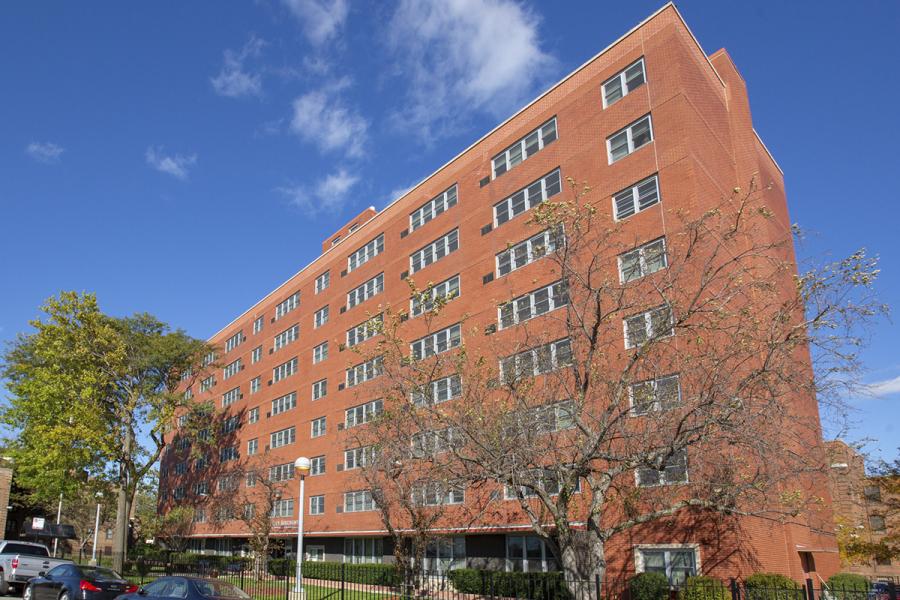
The Board approved Preservation of Affordable Housing (POAH) as the developer for the mixed-finance redevelopment of Loomis Courts, a 126-unit, two-building affordable housing community on the Near West Side. The project will include comprehensive renovations of all units, replacement of major systems, and construction of new property management offices and resident amenity spaces.
Upgrades are designed to preserve affordability while improving safety, usability, and modern amenities. Current and former residents who relocated from Loomis Courts as early as January 2020 will have priority for returning after rehabilitation. The project’s timeline and design were developed with input from a planning committee of residents and community stakeholders.
Lathrop Phase 1C cleared for construction
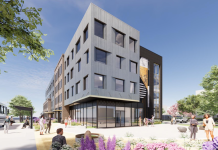
The Board also approved an additional $4 million in CHA loan funds to move forward with Phase 1C of the Lathrop redevelopment project. This phase will preserve seven residential buildings and add one new construction building, delivering 309 new and renovated mixed-income rental units.
The multi-phase, mixed-use revitalization plan has so far delivered 179 CHA units and 488 total units. A financing gap created by rising construction costs prompted the additional loan approval. Financial closing and the start of construction are anticipated in Summer 2026.
Robert Brooks Homes retrofit to enter Phases III-VIII
Finally, the CHA Board approved an Architect of Record contract with KOO LLC for Phases III through VIII of the Robert Brooks Homes retrofit. Currently, Phase II renovations are underway on six two-story row home buildings. The next phases will renovate 38 additional buildings, including updates to plumbing, electrical, and HVAC systems. The Robert Brooks Homes development, built in 1943, consists of 44 rowhouses.
These approvals mark a significant step in CHA’s ongoing efforts to maintain and modernize affordable housing while prioritizing residents’ needs and community input.