Chicago Construction News staff writer
The Chicago City Council approved a series of planning and development measures at its March 18 meeting, aimed at boosting housing, economic activity and community infrastructure across multiple neighbourhoods.
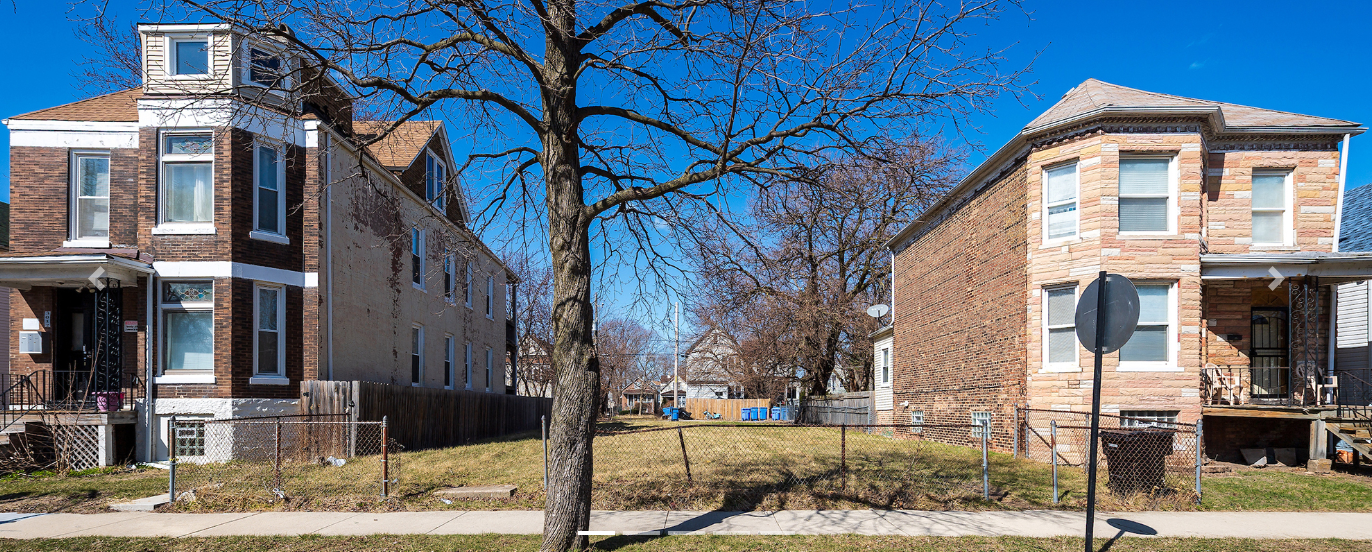
Among the approvals is a “missing middle” housing initiative in Morgan Park that will see four three-flat residential buildings constructed on the city’s Far South Side. Backed by Mayor Brandon Johnson, the $7.8-million project led by the Far South Community Development Corp. will deliver 12 units on the 10700 blocks of South Loomis Street and South Glenroy Avenue.
The development will receive up to $150,000 per unit in city support through housing and economic development bond proceeds. In addition, four city-owned lots will be sold for $1 each. The Missing Middle program is designed to encourage reinvestment in vacant lots with market-rate housing that has become scarce due to decades of disinvestment. Each building will include at least one owner-occupant, supporting long-term community wealth creation.
Council also approved a property tax incentive to support the first phase of the massive 1901 Project near the United Center. The $500-million initial phase will redevelop approximately 12.3 acres of surface parking into a mixed-use destination featuring a 6,000-seat music hall, retail and restaurant space, a hotel, parking structures and green space.
The Cook County Class 7(b) incentive is expected to generate $54.7 million in tax savings over 12 years, while still producing an estimated $46.3 million net increase in tax revenue over that period. The project is also projected to create nearly 2,000 construction jobs, along with 600 permanent and 180 part-time positions. The broader multi-phase development is expected to exceed $7 billion and span more than 50 acres surrounding the arena.
In Grand Boulevard, council advanced a proposal to designate the St. Paul Christian Methodist Episcopal Church as an official Chicago landmark. Built in 1925 in the Tudor Revival style, the church is the oldest Christian Methodist Episcopal congregation in the city and its first permanent house of worship. Landmark status would protect the building’s exterior from alteration.
Further north in Uptown, council approved up to $2 million in tax increment financing support for upgrades to the GreenRise building at 4750 N. Sheridan Rd. The $4.1-million project will include mechanical system improvements benefiting more than a dozen tenants, as well as renovations for the Illinois Department of Human Services, which plans to occupy 11,000 square feet of ground-floor office space. The building, originally constructed between 1921 and 1926, has been a designated city landmark since 2013.
Council also backed community-focused open space initiatives using Open Space Impact Fee (OSIF) funding. A total of $280,000 will support construction of the Chicago Torture Justice Memorial in Washington Park. The $4.6-million project will commemorate survivors of torture linked to former police officer Jon Burge and include public art, educational programming and workforce development opportunities.
In the Austin neighbourhood, $270,000 in OSIF funding will fully cover the cost of creating the Territory Community Garden at 557 N. Central Ave. The project, led by nonprofit group Territory, will transform a former city lot into a landscaped green space with walkways and community amenities.
City officials say the OSIF program directs fees collected from residential developments toward park and open space improvements to help offset the impact of population growth.
Collectively, the measures reflect the city’s ongoing efforts to expand housing options, stimulate investment and enhance community resources across Chicago neighbourhoods.